2026-10-12 · David Wallace
Essential Dryer Vent Cleaning and Safety Tips
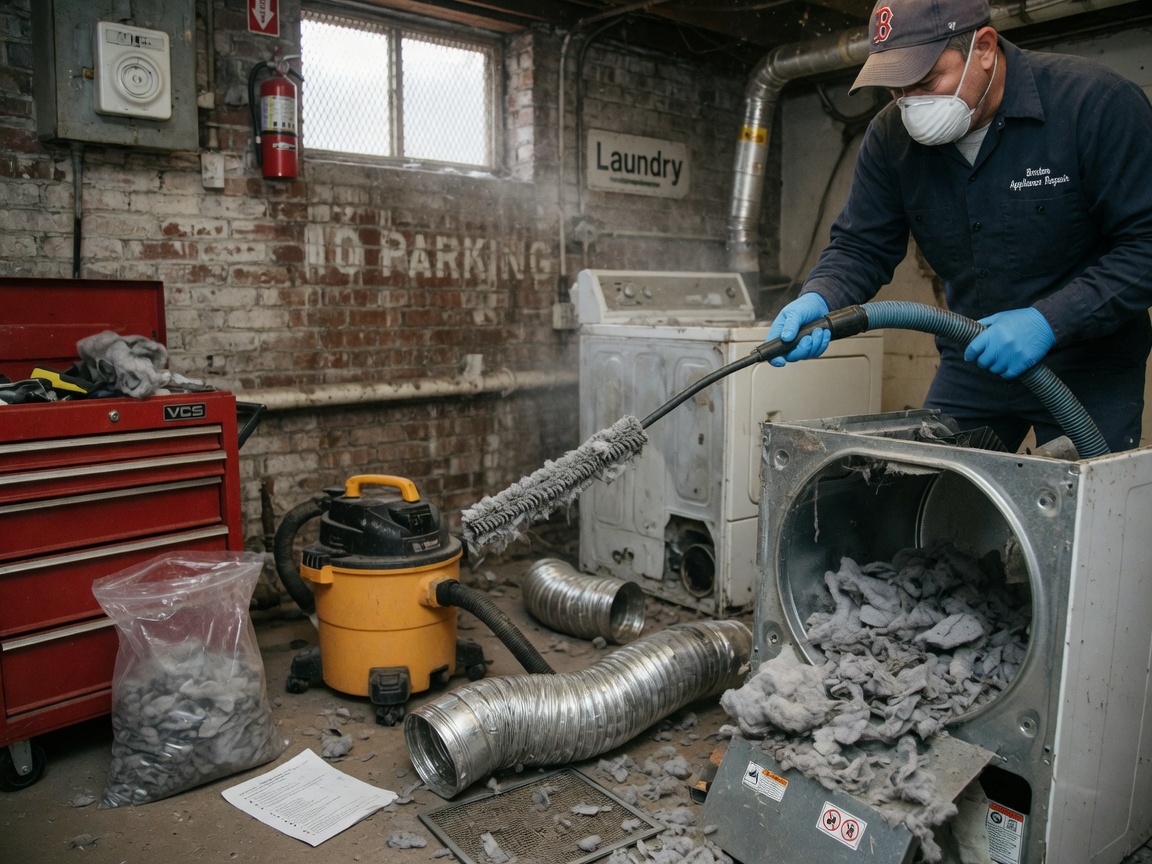
In Boston's humid continental climate moderated by the Atlantic Ocean, clean dryer vents every 8 to 12 months to minimize lint accumulation and fire hazards in Suffolk County homes. Older buildings in Back Bay and Beacon Hill often feature narrow or elongated vent runs through brick walls that trap moisture-laden lint faster than newer construction. South End and North End row houses add tight crawl spaces and shared walls that complicate airflow, while Dorchester and Jamaica Plain properties see similar issues from seasonal temperature swings. Regular cleaning prevents the restricted exhaust that forces dryers to run longer cycles and overheat components.
Climate and Housing Factors in Suffolk County
Boston's Atlantic-moderated humidity keeps indoor air damp year-round, causing lint to clump and stick inside vents more readily than in drier regions. Homes built before 1950 in Beacon Hill and the North End frequently route vents through multiple turns and long horizontal runs that collect debris quickly. Winter cold snaps followed by spring thaws introduce condensation that mixes with lint, narrowing the duct diameter over time. Residents in Cambridge and Somerville face the same pattern because their housing stock mirrors Boston's older multi-family buildings. These conditions shorten the safe interval between cleanings compared with newer suburban homes.
Recognizing Restricted Airflow Early
Watch for clothes that remain damp after a full cycle, which signals reduced exhaust in vents running through Charlestown or East Boston basements. Excessive heat around the dryer or a burning smell during operation often traces to lint buildup near the exterior vent hood on South Boston triple-deckers. In Roxbury and Allston, homeowners notice longer drying times during humid summer months when ocean air increases moisture retention inside ducts. Checking the exterior flap for weak airflow provides a quick field test before lint restricts the line further. Addressing these signs promptly avoids escalation into overheating or electrical strain.
Step-by-Step Maintenance Approach
Disconnect the dryer and pull it away from the wall to access the vent connection behind the unit. Use a vent brush kit with flexible rods to reach 10 to 15 feet into the duct from the dryer side, breaking up compacted lint in sections. Vacuum the loosened material from both ends while wearing a dust mask, then inspect the exterior termination near Boston Harbor or the Fenway Park area for bird nests or debris. Reattach the hose securely and run a test load to confirm improved exhaust. Schedule professional service through Dryer Vent Cleaning and Repair when runs exceed 20 feet or include multiple elbows common in Back Bay brownstones.
Safety Considerations for Local Homes
Lint fires start when accumulated material reaches ignition temperature inside metal ducts, a risk heightened in tightly packed Suffolk County neighborhoods. Keep the area around the dryer clear of stored items and never run the appliance while sleeping or away from home. Install a lint trap screen at the exterior vent on properties near the Freedom Trail or Boston Public Garden to catch debris before it exits. Replace flexible transition hoses every 5 years because they crack and collect lint internally. Review the full cycle of dryer performance issues in Why Is Your Dryer Not Heating Properly? for related diagnostics.
When Professional Service Makes Sense
Technicians with local experience recognize how Brighton and Brookline multi-family buildings route vents through shared chases that require specialized cameras for inspection. Owner-operated teams at 50 Franklin St, Boston, MA 02110 handle these complexities during Mon–Fri 8am–6pm or Sat 9am–2pm appointments. They clear complete blockages without damaging historic plaster or brickwork found in the South End and Charlestown. Homeowners gain peace of mind knowing the vent meets current airflow standards after service rather than risking incomplete DIY results in complex layouts.